
Strategic planning of water infrastructure in Dnipro: Start of feasibility study
Опубліковано: 29.01.2026

In response to the critical state of centralized water supply and wastewater systems, as well as growing risks associated with military operations, the city of Dnipro has begun developing a Water Supply and Wastewater Systems Sustainability Strategy.
The systems, which serve over 1 million residents and 8 thousand legal entities, are characterized by a high level of physical deterioration: over 65% of water supply networks and about 50% of sewage networks are in an emergency state. In 2024, drinking water losses in the networks exceeded 39.6%. The treatment plants have sufficient design capacity, but are technologically outdated, which creates additional environmental and sanitary risks.
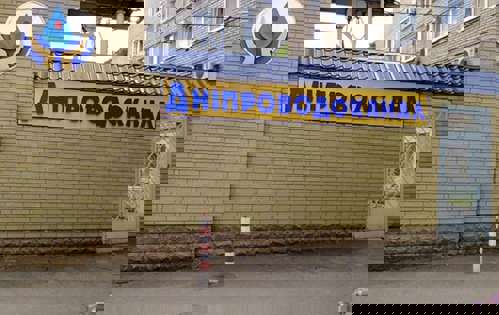
Within the framework of the project initiated by the Dnipro City Council and the Communal Enterprise "Dniprovodokanal" with the support of the Deutsche Gesellschaft für Internationale Zusammenarbeit (GIZ) GmbH on behalf of the government of Federal Republic of Germany and in cooperation with the Institute of Public Infrastructure, it is envisaged:
- comprehensive audit of the technical condition of the system; risk analysis, including military and CBRN factors;
- development and prioritization of measures to improve reliability, energy efficiency and environmental safety;
- updating the financial model with an assessment of the impact of investments on tariff policy and service availability.
Therefore, the development of the Strategy is a necessary stage in the transition from reactive management to systemic planning of water infrastructure. The results of the feasibility study will become the basis for substantiating investment decisions, attracting international financing and implementing infrastructure modernizations aimed at ensuring continuous, safe and effective water supply and drainage in conditions of increased risks.
← Назад до всіх новин